
8 March 2026
Logistics Software and Vibe Coding – When Development Becomes Fun Again
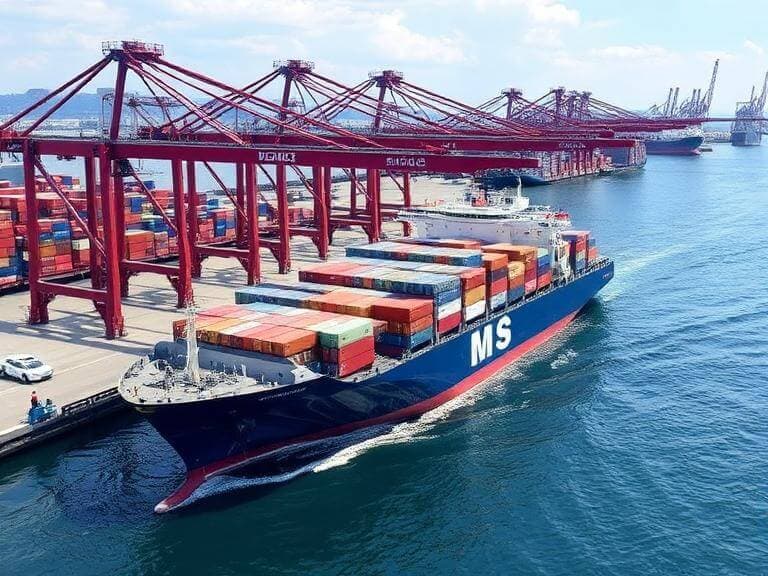
The development of logistics software has been under immense pressure for years: systems must be built ever faster, represent complex supply chains, and remain flexible enough to adapt to new requirements. Traditional software development often reaches its limits, as long development cycles and complex architectures slow innovation. Against this backdrop, a new approach is attracting increasing attention: vibe coding.
The term describes a form of software development in which developers work more closely with AI and focus more on ideas, problem-solving, and system design, while some of the implementation is generated automatically. Instead of writing every line of code themselves, developers increasingly create applications through dialogue with AI systems or by describing the desired functionality in natural language.
This approach can offer significant benefits in logistics. Logistics processes are often highly domain-specific—for example, warehouse management, route planning, or supplier integration. Vibe coding can make it much faster to build prototypes and specialized tools. A data scientist or logistics expert, for instance, can develop a small planning tool or data-analysis pipeline without needing an entire development team. However, vibe coding does not replace traditional software development. For business-critical logistics systems—such as warehouse management systems or transport management platforms—software architecture, data modeling, and quality assurance remain essential. Vibe coding therefore shifts responsibility less than it shifts developers’ focus: away from coding alone and toward orchestrating systems, data, and AI tools. The key question for the coming years is no longer simply “What logistics software do we need?” but also:
“How do we develop it—and who actually develops it?”
(slotbase editorial team)